


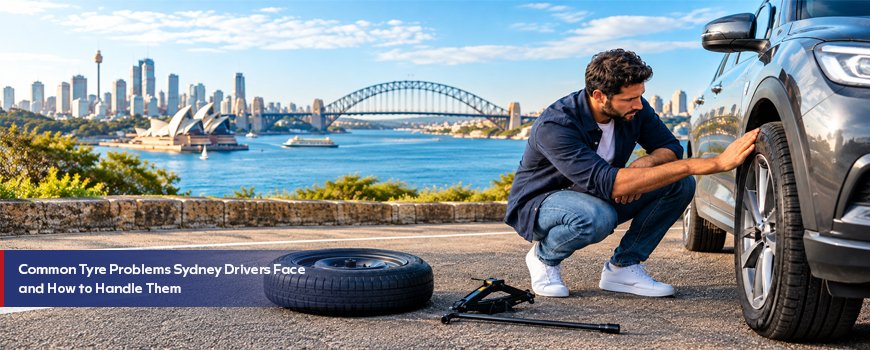
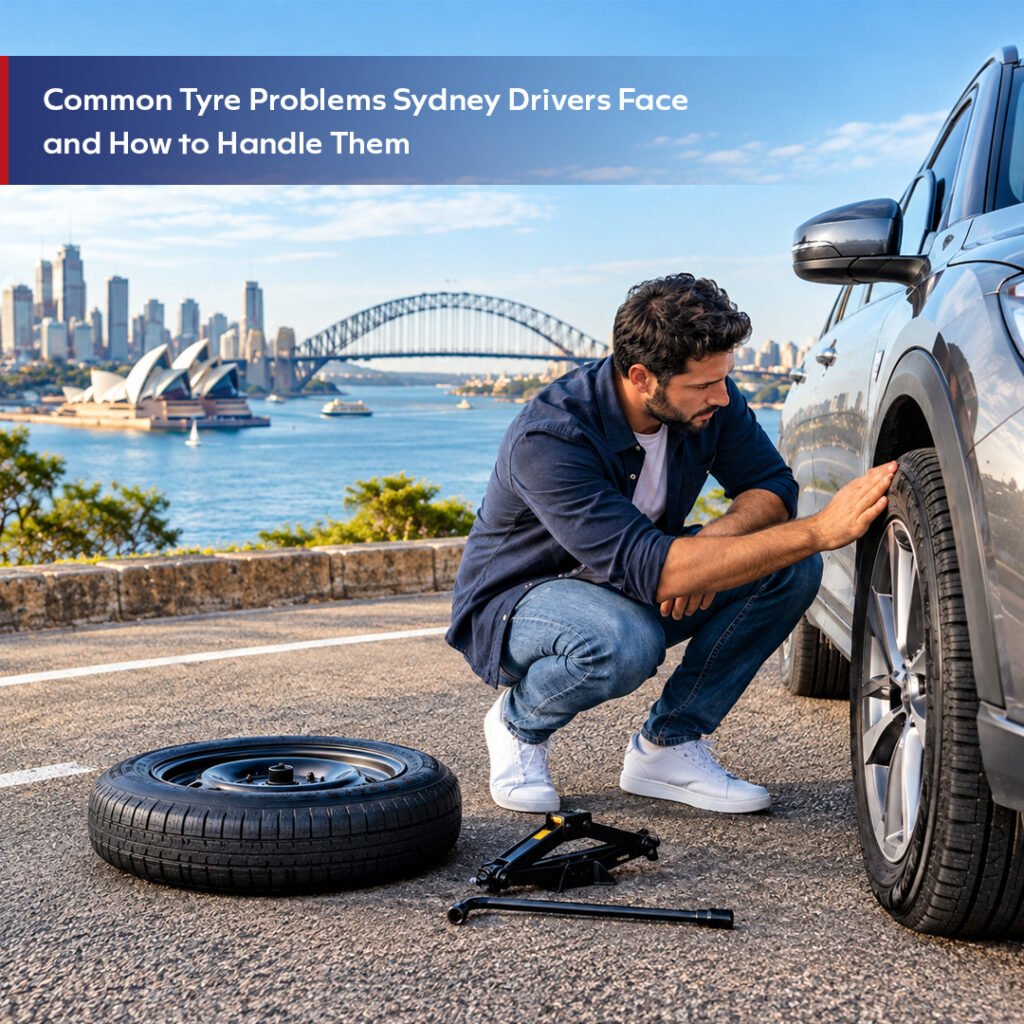
Sydney roads can be hard on tyres. Stop-and-start traffic along Parramatta Road, kerbs on tight inner-city streets, roadworks debris, and long runs on the M5 or M2 all add up. Most tyre problems Sydney drivers run into begin small: a slow leak, a patch of uneven wear, a faint vibration at 80 km/h. Spotting those early is usually cheaper and far safer than waiting for a blowout on the way to work. This guide walks through the common issues, what to do when one strikes, and when it makes sense to call for help.
Common Tyre Problems Sydney Drivers Should Know About
Flat Tyres and Unexpected PuncturesNails, screws, glass and sharp debris cause most punctures, though potholes and kerb strikes can also damage a tyre. Warning signs include the steering pulling to one side, a thumping noise, or a tyre pressure warning light. Sometimes the air escapes slowly over days, which makes it easy to miss.
If a tyre fails while you’re driving, grip the wheel firmly, ease off the accelerator, and avoid heavy braking. Steer smoothly to a safe, level spot away from traffic before you look at anything.
Low Tyre Pressure and Frequent Pressure LossTyres lose a little air naturally, and temperature changes affect pressure too. But if one tyre keeps dropping, something is wrong: a slow puncture, a faulty valve or a damaged rim. Driving on low tyre pressure builds extra heat, wears the tyre edges, and can lengthen braking distances. If the warning light comes on, treat it as a prompt to check, not something to ignore until the weekend.
Check pressure monthly while the tyres are cold, using the figures on the placard in your driver’s door jamb or in the owner’s manual, not the number moulded into the sidewall. If you’re topping up the same tyre every week, book an inspection.
Uneven Tyre Wear and Bald TyresLook at the tread across each tyre. Wear on both outer edges often points to underinflation, while a worn centre can suggest overinflation. Wear on one side or in scalloped patches may signal a wheel alignment or suspension fault, which new tyres won’t fix on their own.
The legal minimum tread depth in Australia is 1.5 mm, but wet road grip fades well before that, so many drivers replace earlier. Worn tyres take longer to stop on wet roads and are more prone to aquaplaning, which matters during a heavy Sydney downpour. The small raised bars in the grooves are tread wear indicators. Once the tread is level with them, it’s time for tyre replacement.
Sidewall Damage, Cracks and BulgesSidewalls are thinner and more flexible than the tread, and damage there generally can’t be repaired safely. Bulges, bubbles, deep cuts and cracking can mean the internal structure has been compromised, often after a kerb strike or pothole. A bulge in particular carries a risk of sudden failure.
If you spot one, avoid higher speeds and arrange a professional tyre inspection promptly. Unlike a small tread puncture, this kind of damage usually means replacement, so it is worth getting checked even if the tyre still holds air.
Tyre Vibrations, Noise and Handling ProblemsA vibration through the steering wheel at certain speeds often suggests an unbalanced wheel, while a constant pull to one side can mean alignment or pressure trouble. Humming or roaring noises sometimes come from uneven wear. Mild symptoms can usually wait for a booked appointment with a tyre service Sydney drivers trust.
A sudden violent shake, a loud thumping, or handling that feels loose is different: stop as soon as it’s safe and get help.
How to Handle Tyre Problems Sydney Drivers Commonly Experience
When something goes wrong, the order of your actions matters.
- Stay calm and ease off. Lift off the accelerator, hold the wheel steady, and brake gently.
- Find a safe place. Use a side street, car park or emergency stopping bay. Turn on your hazard lights and apply the handbrake.
- Inspect only if it’s safe. Passengers should leave on the side away from traffic. If you can’t stand clear of moving vehicles, stay put and call for help.
- Don’t drive on a flat. Even a short distance can wreck the tyre and damage the wheel.
- Choose your fix. Fitting a spare is fine if you have the tools, the know-how, and a safe spot. Temporary spares are often limited to around 80 km/h, so check the label. Otherwise, arrange roadside tyre assistance.
When Should You Call a Mobile Tyre Service?
A mobile tyre service brings the work to you instead of you limping to a workshop. It suits a flat tyre in your driveway, a puncture discovered in an office car park, or any situation where driving on a damaged tyre isn’t safe. Think of a mobile tyre shop as a workshop that comes to you.
Not every puncture can be repaired. Whether a repair is appropriate depends on where the damage is, its size, and the tyre’s overall condition. Damage to the sidewall or shoulder, or a large hole, generally means replacement, and the tyre needs a professional assessment either way. Aussie Mobile Tyre Services can discuss your situation and help you work out the next step.
How to Prevent Common Tyre Problems
A few minutes of regular attention heads off many of the issues above.
- Check tyre pressure monthly and before long trips, including the spare.
- Inspect tread and sidewalls for cuts, bulges, embedded objects, and uneven wear.
- Stay within your vehicle’s load limits, especially on holiday road trips.
- Slow down for potholes and avoid scraping kerbs.
- Have alignment checked after a hard hit or if the car pulls.
- Follow the manufacturer’s maintenance schedule, including tyre rotation where recommended.
Age matters too. Tyres deteriorate even when rarely driven, so ask a professional to assess older tyres, and choose a car tyre service in Sydney that includes a proper inspection, not just a top-up. Aussie Mobile Tyre Services is one convenient option if you’d rather not fit checks around work.
Get Help With Tyre Problems in Sydney
Tyre trouble rarely arrives at a convenient time. If you’d like a mobile car tyre service Sydney drivers can call on for advice, inspections or replacement, Aussie Mobile Tyre Services is ready to talk through your options. Describe what you’re noticing, and the team can help you decide what needs attention first.
FAQs
The usual culprits are punctures and flat tyres, low tyre pressure, uneven or excessive tread wear, sidewall damage such as cracks and bulges, and vibrations caused by balance or alignment issues.
Ease off the accelerator, brake gently and steer to a safe, level spot away from traffic. Turn on your hazard lights, apply the handbrake, and only inspect the tyre if it’s safe. Avoid driving on a flat, and either fit your spare carefully or call for roadside tyre assistance.
No. Repairability depends on the location and size of the damage and the tyre’s condition. Sidewall or shoulder damage and large holes generally need replacement. A professional should assess the tyre before any repair.
Replace them when the tread reaches the wear indicators or the legal minimum of 1.5 mm, or sooner if wet grip feels poor. Cracks, bulges, deep cuts and signs of age are also reasons to have the tyres checked.
It isn’t recommended. Low pressure can reduce grip, lengthen braking distances and cause overheating and uneven wear. Inflate to the pressure shown on your vehicle’s placard, and have the tyre inspected if it keeps losing air.
Worried about a tyre, or not sure whether it needs repair or replacement? Contact Aussie Mobile Tyre Services to talk through your concerns and find a suitable solution for your vehicle.
Website: https://aussiemobiletyreservices.com.au/contacts/
Phone: +61 481 313 025