


Walk into any tyre shop, or shop car tyres online, and you’ll quickly realise there’s more to pick than just size and brand. One of the most overlooked decisions is also one of the most important: tubeless or tube tyres?
It might sound like a minor technical detail, but the type of tyre you run affects your safety, your fuel costs, the way your car handles, and how often you’re stuck on the side of the road with a flat. At Aussie Mobile Tyre Services, we’ve changed thousands of tyres across Sydney and the surrounding suburbs — and this question comes up constantly. So let’s settle it properly.
What Are Tube Tyres?
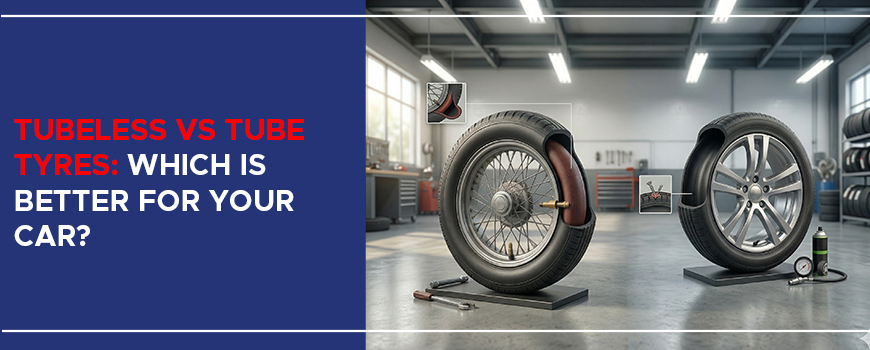
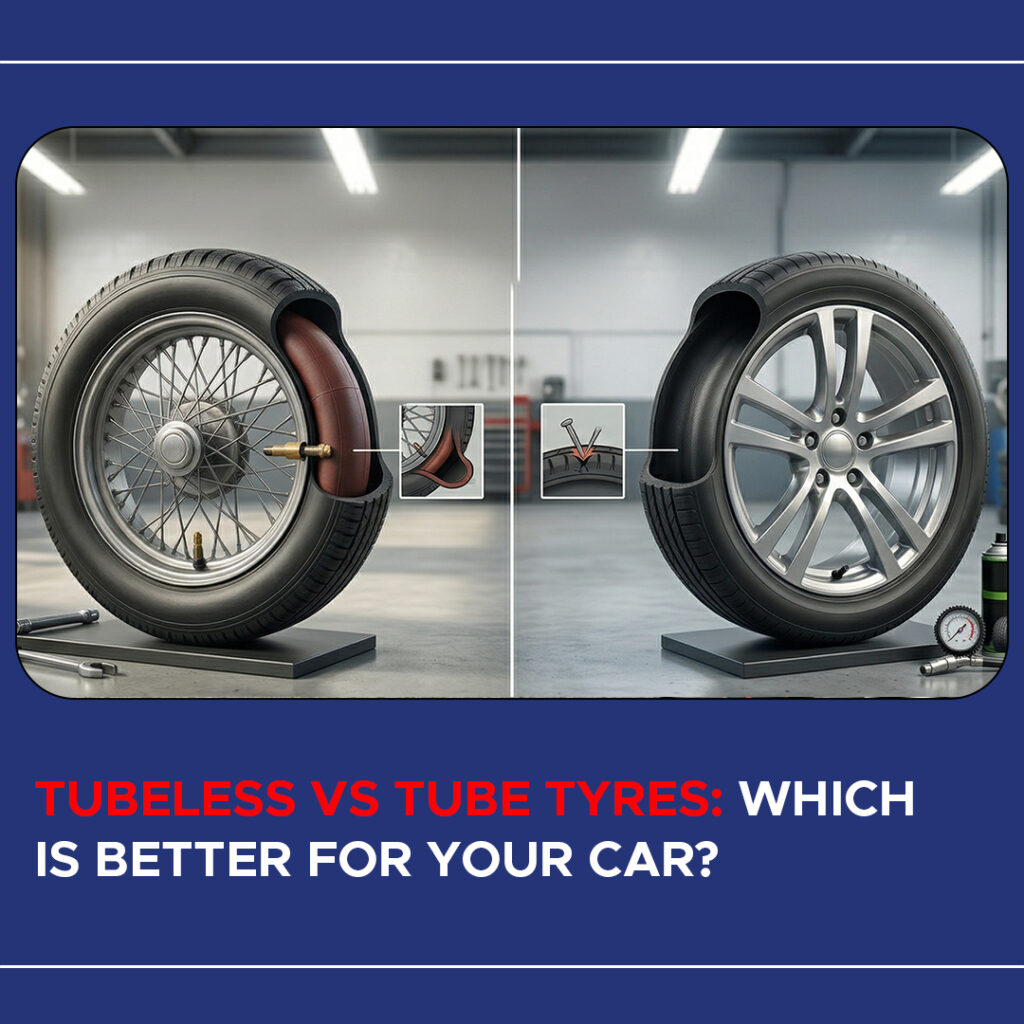
Tube tyres, sometimes called “inner tube” or “clincher” tyres, are the older of the two designs. The tyre itself is a rubber shell that sits on the wheel rim, but it doesn’t hold air on its own. Instead, a separate rubber inner tube sits inside the tyre and inflates to hold the load.
You’ll still find tube tyres on older vehicles, some motorcycles, bicycles, and heavy-duty trucks. On modern passenger cars in Australia, they’ve largely been phased out — but they haven’t disappeared entirely, particularly on certain commercial vehicles and older models still on the road.
What Are Tubeless Tyres?
Tubeless tyres do exactly what the name suggests — they hold air directly without a separate inner tube. The tyre forms an airtight seal against the wheel rim itself, usually assisted by a bead of sealant. Almost every new passenger car sold today comes fitted with tubeless tyres as standard. When you buy car tyres online for a modern vehicle, you’re almost always looking at tubeless options.
“Tubeless technology has been the industry standard on passenger vehicles for decades — and for good reason. The safety and performance advantages are simply too significant to ignore.”
Key Differences — Side by Side
| Feature | Tube Tyres | Tubeless Tyres |
|---|---|---|
| Air Retention | Held by inner tube | Direct seal with rim |
| Puncture Behaviour | Sudden blowout risk | Slow, controlled deflation |
| Weight | Heavier (extra tube) | Lighter overall |
| Heat Build-up | Higher friction = more heat | Lower heat, better efficiency |
| Puncture Repair | Remove tyre, replace tube | Often repairable with sealant |
| Fuel Economy | Slightly lower | Marginally better |
| Roadside Repair | Requires full tyre removal | Plug kit often sufficient |
Pros and Cons of Each
Tube Tyres| ✓ Advantages | ✗ Disadvantages |
|---|---|
|
|
| ✓ Advantages | ✗ Disadvantages |
|---|---|
|
|
Which One Is Actually Better for Your Car?
For the vast majority of drivers on Australian roads — whether you’re commuting through Sydney’s CBD, cruising down the M4, or heading out for a weekend trip to the Blue Mountains — tubeless tyres are unequivocally the better choice. Here’s the practical reality:
The biggest real-world advantage of tubeless tyres is how they behave when punctured. A tube tyre can blow out suddenly and violently at highway speeds, which can mean losing control of your vehicle in an instant. A tubeless tyre, by contrast, deflates gradually, giving you time to safely pull over. That alone is a compelling enough reason.
Many minor punctures in tubeless tyres can be fixed with a simple plug kit at the side of the road — no jack required, no removing the tyre. If you’re searching for affordable car tyres in Sydney, Australia for your daily driver, tubeless is what you want fitted and what any reputable provider will recommend.
The only scenario where tube tyres still make sense is on older vehicles with wire-spoke rims not sealed for tubeless fitment, or on certain off-road bikes and machinery. For standard passenger cars, the case for tube tyres simply doesn’t hold up anymore.
At Aussie Mobile Tyre Services, our technicians only fit tubeless tyres on passenger vehicles, because that’s what the engineering and safety data support. Whether you need a single replacement or a full set, our mobile car tyre service brings everything to your driveway, workplace, or wherever you’re parked across Sydney.
Choosing the right tyre isn’t just about tubeless vs tube. Tread pattern, load rating, speed index, and brand all factor in. That’s where having an experienced team makes a real difference. As a mobile tyre shop operating across the greater Sydney area, Aussie Mobile Tyre Services takes the guesswork out of it. We advise, supply, and fit the right tyre for your specific car and driving conditions, without you needing to leave home.
When it comes to the question of tubeless vs tube, the answer for modern car owners is clear. Go tubeless — and if you’re not sure what you’re running or whether your current tyres are safe, get in touch. A quick inspection from our team, available via our expert car tyre service in Sydney, could save you a lot of trouble down the road.
Aussie Mobile Tyre Services comes to you, anywhere across Sydney. No waiting rooms, no hassle.
📞 Call: 1300 040 001
